Embracing the Charm of the Babydoll Font
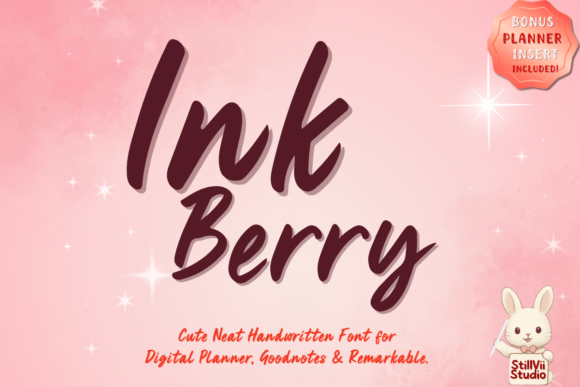
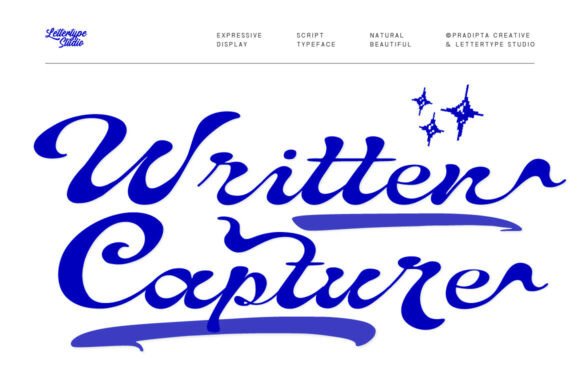
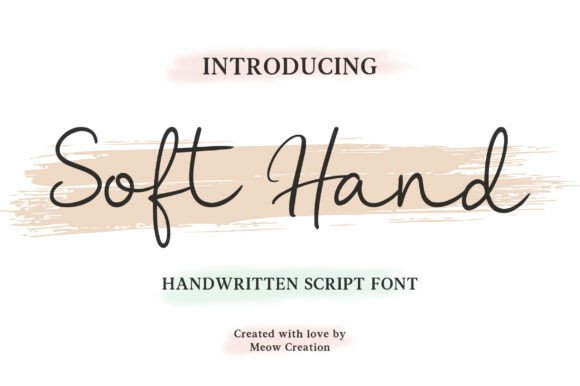
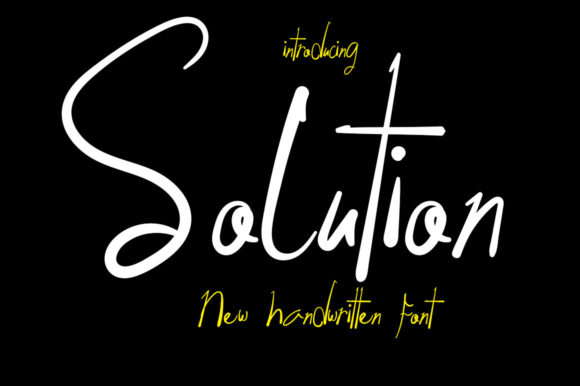
When you're building a brand, the typography you select is the silent ambassador of your voice. It carries the weight of your message before a single word is read. Finding a typeface that balances personality with professionalism is a constant challenge, but the Babydoll script font offers a compelling solution. It is a stylish handwritten typeface that captures elegance and playfulness in every stroke. With flowing curves and a natural rhythm, it adds a personal, charming touch to invitations, branding, and social media. Its graceful design brings warmth, sophistication, and creativity to any project.
As a creative professional, I view fonts not just as letters, but as tools for emotional connection. Babydoll stands out because it doesn't feel manufactured. It mimics the fluidity of natural handwriting, offering a sense of authenticity that polished geometric fonts often lack. This makes it a vital asset for designers, entrepreneurs, and content creators looking to humanize their digital presence. Whether you are a blogger seeking to establish a signature style or a small business owner designing product packaging, understanding how to leverage this creative font can significantly elevate your visual storytelling.
The Visual Anatomy of Babydoll: More Than Just a Script
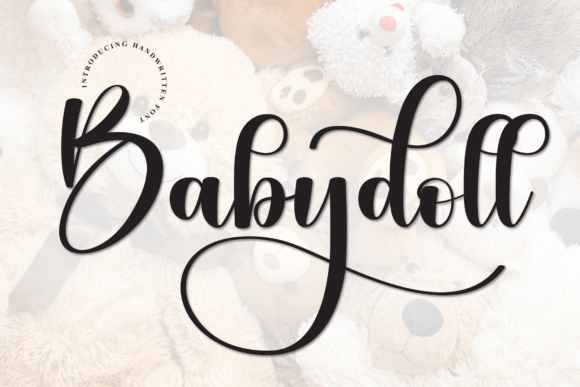
At its core, Babydoll is a display font designed to draw attention without shouting. Its visual characteristics are defined by a delicate balance between structure and spontaneity. The letterforms feature soft, rounded edges and connecting strokes that flow seamlessly, creating a cohesive visual texture. Unlike rigid serif fonts or stark sans serif fonts, this handwritten font possesses a kinetic energy. It feels as though the ink is still wet on the page, which lends a fresh, dynamic quality to headlines and logos.
The personality of this typeface is undeniably approachable. It bridges the gap between casual doodles and formal calligraphy. This duality is its greatest strength. In the world of modern typography, we often see a trend toward "imperfect" perfection—designs that look hand-crafted but remain legible and consistent. Babydoll fits perfectly into this niche. It provides the warmth of a personal note while maintaining the clarity required for professional logo design and brand identity work.
When evaluating a premium font like this, look closely at the swashes and ligatures. These decorative elements allow designers to customize the text, adding flourishes to specific letters to enhance the flow. This level of detail separates a high-quality script font from a generic one, allowing for unique typography that helps a brand stand out in a crowded market.
Strategic Applications: Where Babydoll Shines
Knowing where to deploy a font is just as important as choosing it. Because Babydoll is a display font, it is best used for short bursts of text where impact is paramount. It is not designed for long-form body copy, where a legible serif or sans serif font would be more appropriate. Instead, its strengths lie in high-visibility areas.
Branding and Logo Design
For entrepreneurs in the lifestyle, beauty, fashion, or food industries, Babydoll offers an immediate visual shorthand for elegance. It works beautifully in logo design, particularly for brands that want to convey a boutique or artisanal feel. When used for a logo, it suggests that the brand is detail-oriented and values aesthetics. However, successful branding requires more than just a pretty logo. You must consider how this font integrates into your wider brand identity.
Packaging and Editorial Design
Imagine a coffee bag, a candle label, or a skincare bottle. Using Babydoll for the product name can instantly communicate luxury and care. In packaging design, the font acts as a visual texture that invites the customer to pick up the product. Similarly, in editorial design, such as magazine headers or blog post titles, it creates a focal point that breaks the monotony of standard text. It adds a layer of sophistication that keeps the reader engaged.
Digital Presence: Web and Social Media
In the realm of web design, Babydoll should be used sparingly to maintain fast load times and readability. It is perfect for hero section headlines or call-to-action buttons where you want to inject personality. For social media graphics, this font is a powerhouse. Platforms like Instagram and Pinterest thrive on visual appeal. Using this typeface on quote cards, announcements, or story highlights can significantly boost engagement. It stops the scroll because it feels personal and handmade in a digital world that often feels sterile.
Mastering the Craft: Practical Usage and Font Pairing
The true mark of a skilled designer is the ability to manage visual hierarchy. Babydoll is a strong voice, and if overused, it can overwhelm a design. The key is to treat it as the lead instrument in an orchestra—it needs supporting players to create a full sound.
The Art of Font Pairing
Because Babydoll is ornate and flowing, it requires a contrast partner. You generally want to avoid pairing it with other script fonts, as this creates visual chaos. Instead, look to clean, geometric sans serif fonts or traditional serif fonts. A simple sans serif with plenty of negative space acts as a neutral canvas, allowing the curves of Babydoll to pop without competition. For example, pairing it with a clean sans serif for body text creates a modern, high-contrast look that is easy to read yet visually stimulating.
Readability and Sizing
As a creative font, Babydoll performs best at larger sizes. When used too small, the delicate connecting strokes can blur together, reducing legibility. Always test your typography at the size it will be viewed. If you are designing a billboard, the scale works differently than for a mobile screen. Pay attention to the kerning (spacing between letters) as well. Sometimes, increasing the tracking slightly on a script font can improve legibility while maintaining the elegant aesthetic.
Licensing and Commercial Use
For professionals, understanding the license of your design assets is non-negotiable. If you are using Babydoll for a client's logo, a product you sell, or a website theme, you need a commercial font license. Always verify the terms provided by the foundry or marketplace. A standard desktop license covers print and static images, but if you plan to embed the font in an app or use it in a web template (webfont license), you may need an extended license. Respecting these guidelines ensures your work remains professional and legal.
Evaluating Project Fit
Before committing to Babydoll, ask yourself about the target audience. Is the project meant to feel intimate and warm? Does it need to convey trust and craftsmanship? If the goal is to look corporate, authoritative, or highly technical, a handwritten font might undermine the message. However, if the goal is to connect on a human level—to say "we care about the details"—then this font is an excellent choice. It aligns perfectly with the current shift in modern typography toward human-centric design.
Ultimately, Babydoll