Discovering Zanitha: A Script Font with Timeless Elegance
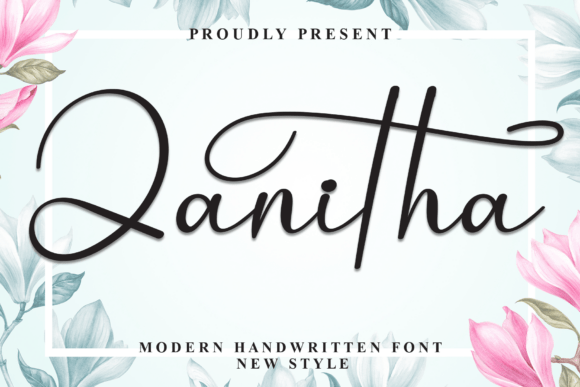
In a digital landscape saturated with generic typefaces, finding a font that carries genuine personality is like striking gold. Zanitha is one of those rare finds. It’s a premium script font that doesn’t just sit on the page; it flows across it with a sense of effortless beauty and sophisticated grace. As a designer, I’m constantly searching for typefaces that tell a story, and Zanitha’s story is one of romance, refinement, and timeless charm. Its carefully crafted curves and smooth, natural connections mimic the fluidity of authentic handwriting, making it a powerful tool for anyone looking to inject a human touch into their digital projects.
The visual DNA of Zanitha is defined by its graceful letterforms. Each character is designed to connect seamlessly with the next, creating a harmonious and uninterrupted rhythm. This isn’t a rigid, formal calligraphy; it’s a modern handwritten font with an expressive, elegant flair. The varying stroke weights add depth and a dynamic quality, preventing the text from feeling flat or monotonous. Whether you're setting a single word or a short headline, Zanitha brings a level of artistry that a standard sans serif font or even a classic serif font simply cannot replicate. It’s the kind of typeface that feels personal and intentional, elevating the perceived value of any design it touches.
The Perfect Projects for Zanitha's Graceful Style
Understanding where a font shines is key to using it effectively. Zanitha’s romantic and refined personality makes it a natural fit for projects centered around celebration, luxury, and personal connection. Its primary strength lies in applications where emotion and aesthetics take precedence over dense, long-form readability.
For event stationery and wedding invitations, Zanitha is an exceptional choice. It immediately sets a tone of elegance and sophistication, making guests feel the significance of the occasion before they even read the details. In brand identity and logo design, this creative font is perfect for businesses in the fashion, beauty, wellness, or high-end artisanal spaces. A logo set in Zanitha communicates a brand that values quality, craftsmanship, and a personal touch. Think boutique bakeries, floral designers, bespoke jewelry makers, or luxury spa services.
Beyond print, Zanitha excels in the digital realm. It’s a fantastic tool for creating eye-catching social media graphics. Use it for Instagram quotes, story highlights, sale announcements, or to add a stylish header to a Pinterest pin. Its expressive nature helps content stand out in a crowded feed. For packaging design, especially for cosmetics, gourmet foods, or artisanal goods, Zanitha can transform a simple product into a premium offering. It suggests that care and artistry have gone into not just the product, but its entire presentation.
More Than Just a Pretty Face: The Strategic Impact of Your Font Choice
A font is never just a collection of letters; it's a strategic design asset that directly influences how your audience perceives your message. Choosing a script font like Zanitha has tangible effects on your project’s success, from visual hierarchy to brand recognition.
First, consider visual hierarchy. Because of its distinct, decorative nature, Zanitha is a powerful tool for drawing the eye. It should be used strategically for headlines, subheadings, or pull quotes to create a clear focal point. Pairing it with a clean, legible sans serif font for body text is a classic and effective technique. This contrast not only makes the design more dynamic but also guides the reader’s eye, making the layout easier to navigate.
Secondly, your font choice profoundly impacts brand perception. Using Zanitha consistently across your touchpoints—from your website to your business cards—builds a cohesive and recognizable brand identity. It tells your audience that your brand is elegant, detail-oriented, and trustworthy. This consistency fosters professionalism and helps you stand out from competitors who might rely on overused, default fonts. The right display font like Zanitha becomes an ambassador for your brand’s values, building recognition and a stronger connection with your target audience.
A Practical Guide to Working with Zanitha
Integrating a new premium font into your workflow requires a bit of practical know-how. Here’s how to get the most out of Zanitha.
Evaluating Project Fit: Before you commit, ask yourself if the font’s personality aligns with your project’s goals. Is the tone romantic, luxurious, or handcrafted? If yes, Zanitha is likely a strong candidate. If your project requires a tone that is corporate, technical, or minimalist, you may want to explore other options.
Testing Font Pairings: Zanitha is a star player, but it needs the right supporting cast. For maximum readability and a balanced aesthetic, pair it with a simple and clean font. A geometric sans serif font like Montserrat or Lato provides a beautiful modern contrast. For a more classic feel, a simple serif font like Garamond or Georgia can also work well. The key is to let Zanitha be the hero and use its partner for clarity in longer text blocks.
Checking Readability: While beautiful, script fonts can be challenging to read at small sizes or in long sentences. Always test your design at the intended viewing size. Use Zanitha for short, impactful text. Avoid using it for paragraphs of body copy, as its connected nature can reduce legibility. This is especially critical for web design and editorial design, where user experience is paramount.
Leveraging Included Styles: A quality commercial font often comes with more than just the standard letters. Check if Zanitha includes stylistic alternates, swashes, or ligatures. These features allow for further customization, helping you create truly unique typographic compositions for your logo design or special projects. They are the details that separate good design from great design.
Understanding Commercial Licensing: If you plan to use Zanitha for client work, merchandise, or any project that generates revenue, you must ensure you have the correct commercial license. Most design assets available online have specific terms of use. Purchasing a license not only keeps you legally compliant but also supports the talented type designers who create these beautiful tools for the creative community.