Bunnylove: The Handwritten Font That Feels Like a Warm Hug
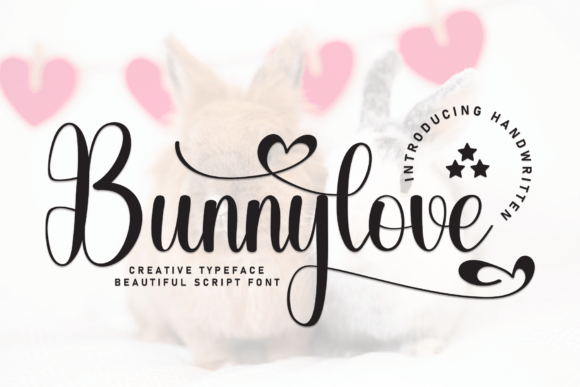
In the world of design, we're constantly searching for that perfect element that doesn't just look good, but feels right. You know the one—it brings a project to life, connects with the viewer on an emotional level, and communicates a message beyond the words themselves. This is the specific magic a truly great script font brings to the table. Bunnylove is one of those rare finds. It’s a handwritten font that captures the essence of a heartfelt note, a friendly doodle, or a joyful celebration. Its letters flow with a gentle, organic rhythm, featuring soft curves and a slight, charming imperfection that feels incredibly authentic and inviting.
The personality of this creative font is unmistakable. It’s warm, approachable, and brimming with cheerfulness. Unlike rigid, formal calligraphy, Bunnylove has a playful bounce and a sweet sincerity. The letterforms are crafted to connect fluidly, creating a seamless, handwritten look that feels personal and intimate. This isn't just a typeface; it's a tool for storytelling. It whispers of cozy afternoons, heartfelt congratulations, and the simple delight of a handwritten card. For any designer or creator looking to inject a dose of genuine warmth into their work, Bunnylove becomes an invaluable design asset.
Where Bunnylove Truly Shines: From Personal Projects to Professional Branding
The versatility of a font like Bunnylove is one of its greatest strengths. It's a premium font that feels at home in a wide array of applications, far beyond simple greeting cards. Its ability to evoke emotion makes it a powerful tool for shaping perception and creating memorable experiences. Think about the first impression a customer has of your brand. A logo design using Bunnylove can immediately signal that a business is friendly, artisanal, and customer-focused. It’s perfect for boutique bakeries, children's clothing brands, wedding planners, florists, and any small business owner who wants their brand identity to feel accessible and human.
Let's look at practical applications where this font excels:
- Wedding & Event Invitations: This is its natural habitat. Bunnylove adds an undeniable romance and personal touch to save-the-dates, invitations, and thank-you cards, setting a joyful tone for the entire event.
- Packaging Design: Imagine this script font on a label for homemade jam, artisanal soap, or a craft candle. It instantly communicates a story of care, quality, and a personal touch, making the product feel more special.
- Social Media Graphics: In a crowded feed, a warm, handwritten headline stops the scroll. Use Bunnylove for Instagram quotes, Facebook announcements, or Pinterest pins to create graphics that feel authentic and engaging.
- Editorial & Web Design: While not for body text, it’s a stunning choice for blog post titles, pull quotes, or website headers, especially for lifestyle blogs, recipe sites, and creative portfolios. It draws the reader in and establishes a friendly, welcoming atmosphere.
Even in more corporate settings, a touch of Bunnylove can be strategic. A newsletter sign-off or a special "thank you" graphic in an email campaign can break through the digital noise and foster a stronger connection with your audience. It’s about knowing where to apply a script font to maximize its emotional impact without sacrificing clarity.
Integrating Bunnylove: A Practical Guide for Designers and Creators
Choosing the right font is only half the battle; using it effectively is what separates good design from great design. When you integrate Bunnylove into your toolkit, you're not just adding a pretty typeface—you're adding a specific voice to your typographic palette. A key consideration is visual hierarchy. Bunnylove is a display font, meaning it’s designed for headlines, titles, and short, impactful phrases. Its greatest strength is its personality, which can become overwhelming and difficult to read in long paragraphs. Pair it wisely.
Mastering Font Pairings and Readability
The most effective way to use a handwritten font like Bunnylove is in contrast with a cleaner, more neutral typeface. For a balanced and professional look, consider these font pairing strategies:
- With a Clean Sans Serif: Pairing Bunnylove with a simple, geometric sans serif font like Montserrat or Lato creates a beautiful contrast. The script font provides warmth and personality for headlines, while the sans serif ensures maximum readability for body copy. This combination is perfect for web design and social media graphics.
- With a Classic Serif: For a more elegant, timeless feel, try pairing it with a traditional serif font like Garamond or Georgia. This works wonderfully for wedding invitations, editorial layouts, and brands that want to blend a personal touch with classic sophistication.
Before finalizing your choice, always test the font in context. How does it look at different sizes? On a mobile screen versus a printed page? Does the letter spacing (kerning) work for your specific words? A great commercial font will often include alternate characters, ligatures, and stylistic sets. Take the time to explore these OpenType features in Bunnylove; they can add subtle variations that make your typography feel even more unique and handcrafted. Finally, ensure you have the correct commercial font license for your project, whether it’s for a client’s logo, a product you sell, or a digital download. This is a non-negotiable step for any professional work and respects the craft of the type designer.
Ultimately, Bunnylove is more than just a modern typography choice; it’s a conduit for emotion. It’s a tool that allows designers, entrepreneurs, and creators to build a brand identity that doesn’t just speak, but sings. By understanding its personality and applying it thoughtfully, you can leverage this charming typeface to create designs that are not only beautiful but deeply resonant, fostering the kind of joyful memories and delightful experiences that truly connect with people.